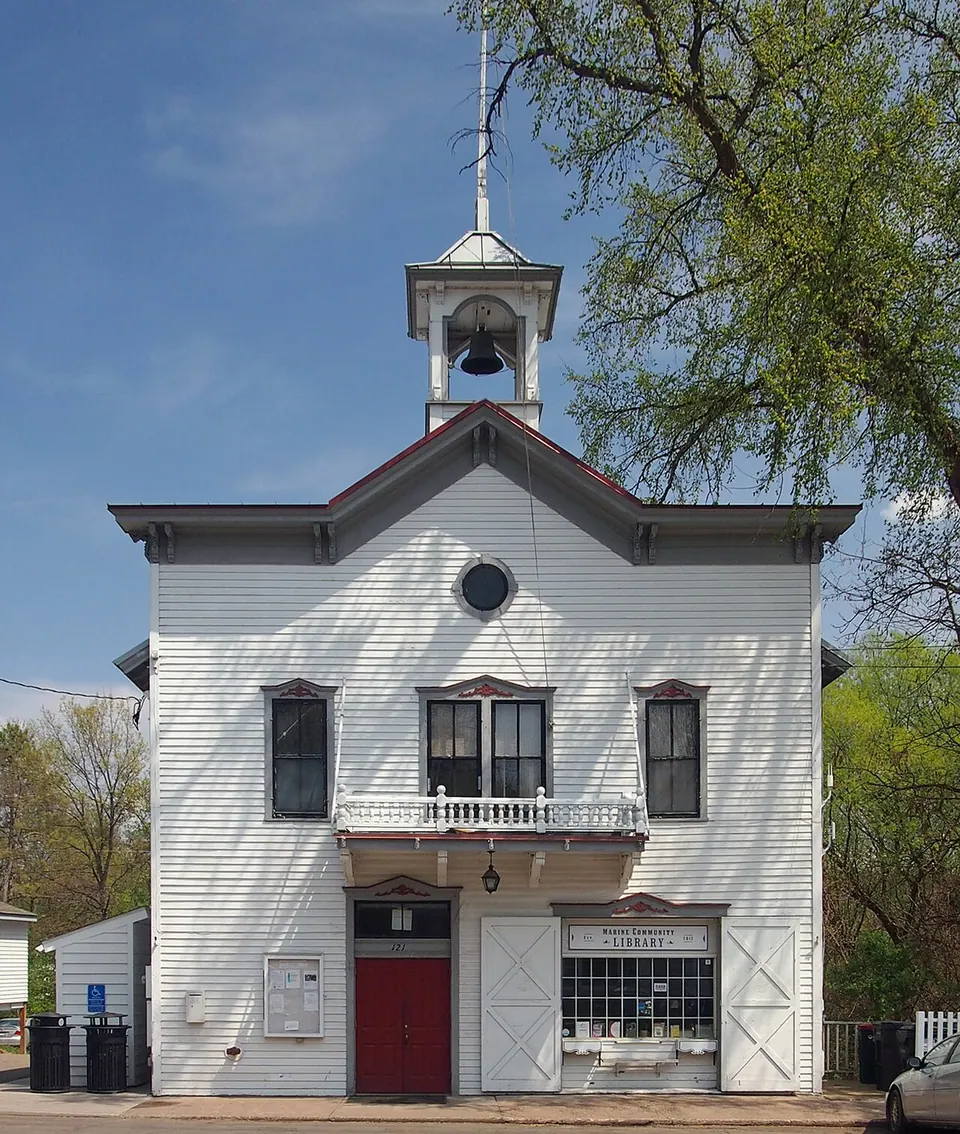
Marine on St Croix Village Hall 2016

Things to do

Historic walking tour

A one-hour loop through a village that still looks much as it did in the steamboat era — with a map and the story behind each stop.

Photo: McGhiever / CC BY-SA 4.0, via Wikimedia Commons

This route is about a mile with one moderate climb to the Stone House on Fifth Street. Allow an hour, or half a day if you linger in the shops. Start at the general store and finish at the river landing — or reverse it for a sunset ending.

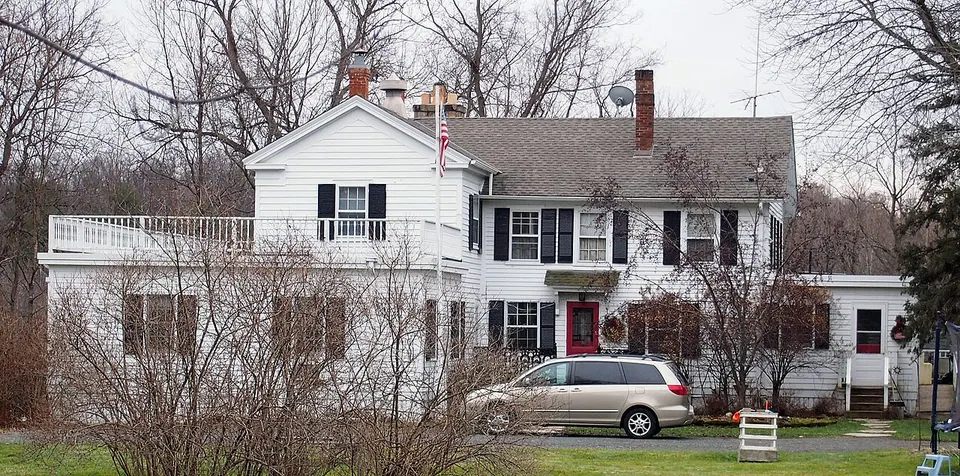
Most of what you’ll see lies inside the Marine on St. Croix Historic District, a 450-acre area listed on the National Register of Historic Places in 1974. The district tells the story of two groups that built the town together: the Yankee mill owners and merchants, whose houses stand on the bluffs above the village, and the Swedish families who worked in the mill and whose smaller homes line the lower streets and the western bluff.

Please remember that most historic buildings in the district are private homes. Enjoy them from the street.

For a printed version, the city office at 121 Judd Street sells a Historic Walking Tour brochure. Stops below are listed in walking order.

Last reviewed October 1, 2026.
Tour map

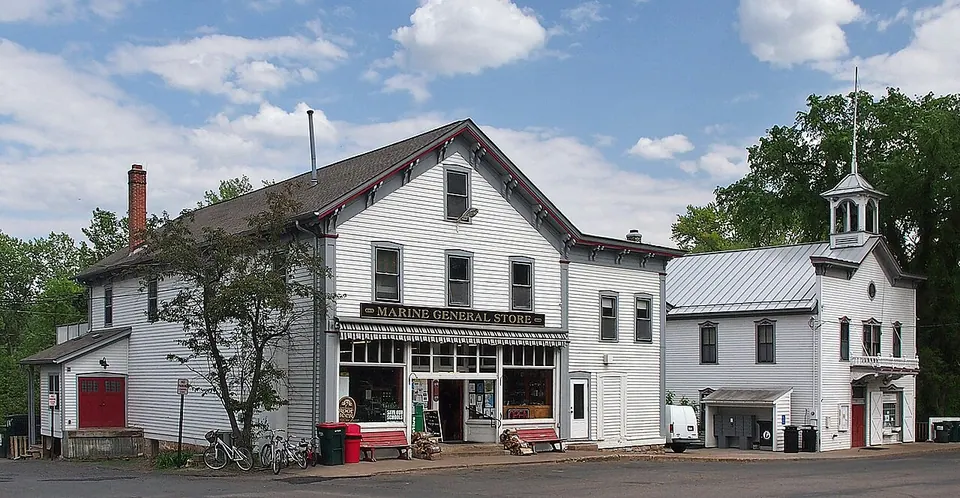
  1. Marine General Store 1870

    101 Judd Street

    Built in 1870 and selling groceries and hardware ever since, the store has been the village's meeting place for more than 150 years. Its long porch is where the walking tour — and most conversations in Marine — begin.

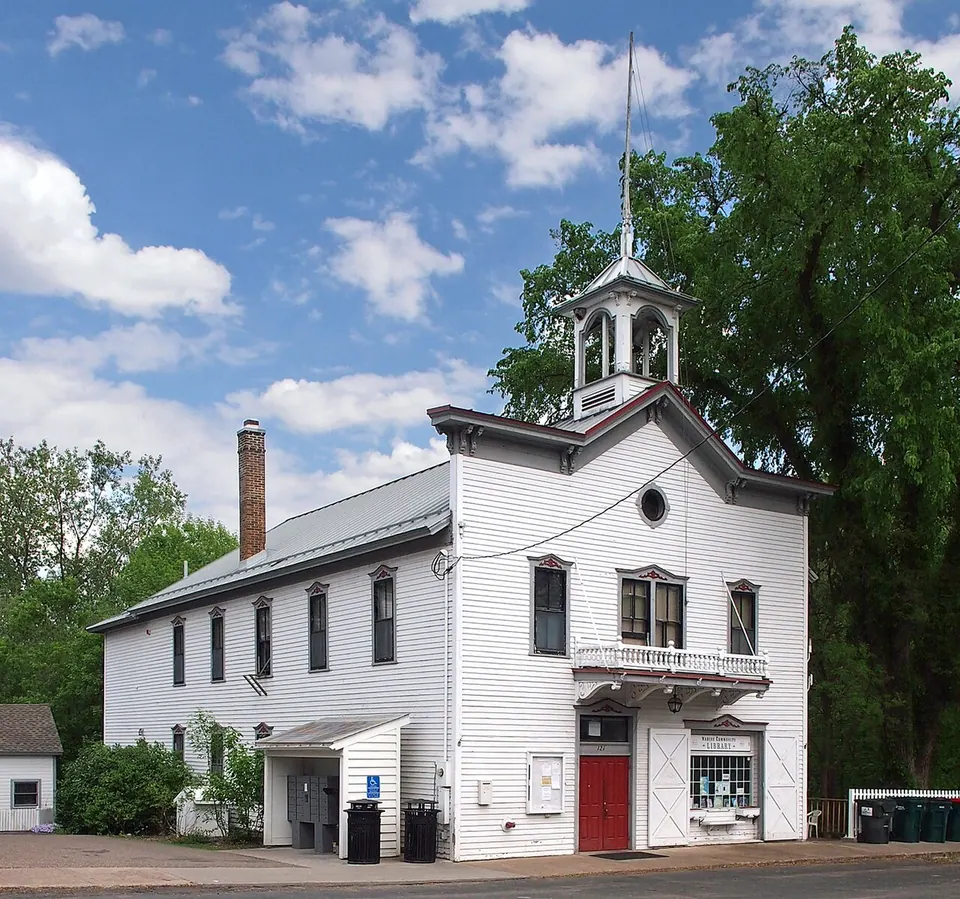
  2. Village Hall and Community Library 1888

    121 Judd Street

    The village built its hall in 1888, and the City Council and Planning Commission still meet here — it is believed to be the oldest village hall in Minnesota still used for government. The community library shares the building.

  3. The Mill Stream falls

    Beside the Village Hall

    The cold stream that drew the mill builders here in the 1830s still runs through the center of the village, dropping over a small fall on its way to the river. The city has been working on plans to restore its banks.

  4. Fire department

    Judd Street

    Marine's fire department is based here. Fire was the great fear of a wooden mill town: after a run of costly blazes in the 1880s the village bought a hand-pumped engine and, in 1888, built a fire hall with a tower. That antique hand pumper has rolled down Judd Street in Fourth of July parades.

  5. Marine Mill ruins 1839

    Judd Street, south of the Village Hall

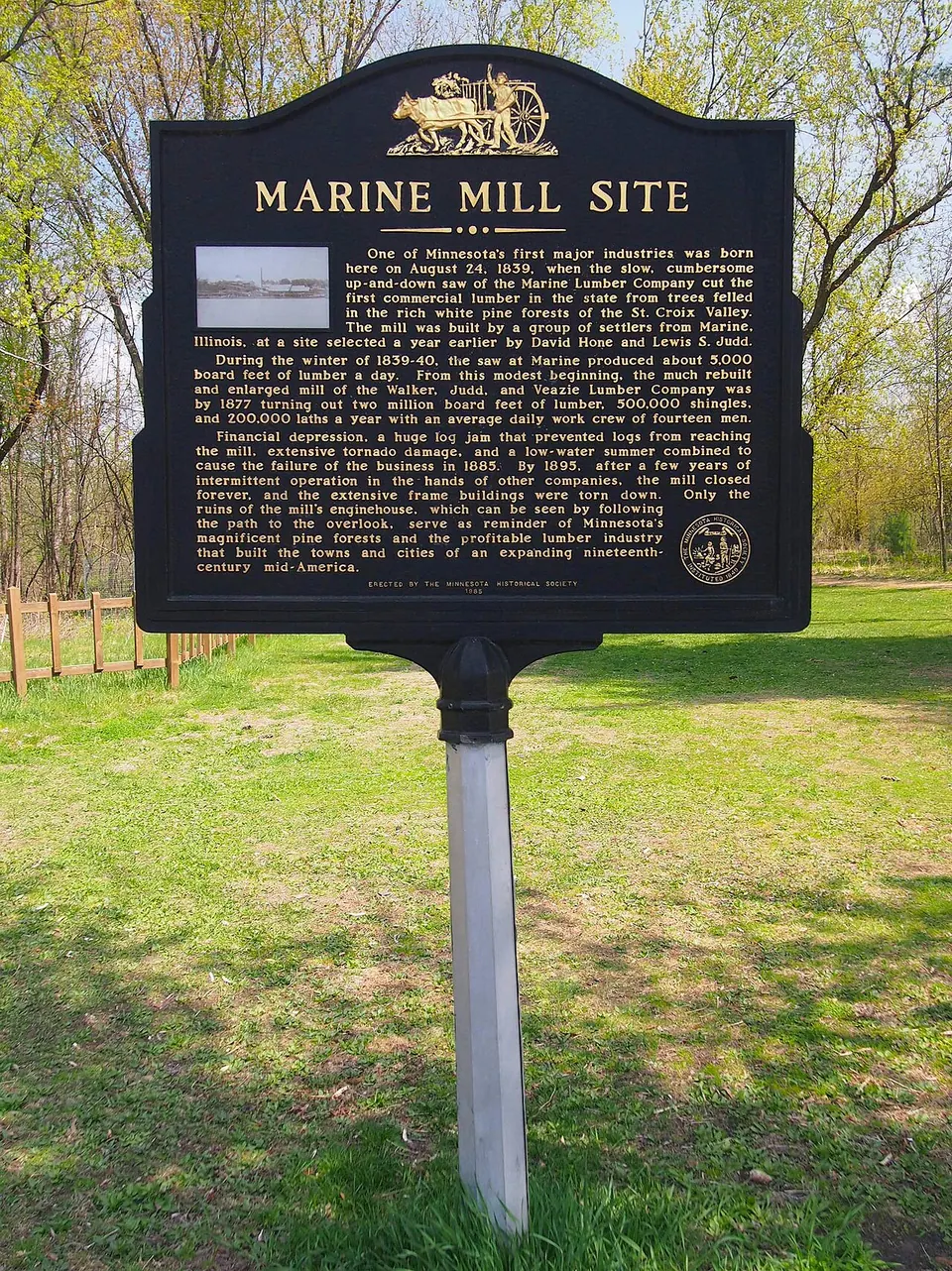
    The stone footings of Minnesota's first commercial sawmill sit on a terrace above the river. Signs explain the mill, the log drives and the lumber rafts that left from here.

  6. Burris Park

    South end of the village

    A small green space near the river at the south edge of downtown — a good place for a picnic before heading back up Judd Street.

  7. The Stone House 1872

    241 Fifth Street

    Built in 1872 as the town meeting house, this sturdy building of local stone shows the craftsmanship of the Swedish immigrants who settled Marine. It now holds a small museum of everyday life in early Marine Mills. Opening hours are limited, so check locally before you go.

  8. Marine Landing

    North end of the village, on the river

    Rafts of lumber once left from Marine's riverfront. Today the landing is the place to watch the river, eagles and, in summer, the paddlers drifting down from the state park.