Computed from 31 years of daily ERA5-based reanalysis for the village's coordinates (Open-Meteo). Reanalysis smooths local extremes, so official station records can differ by a few degrees.
Frost dates for gardeners
Median last spring freeze
April 25 (range March 26 – May 13)
Median first fall freeze
October 28 (range October 2 – November 20)
Median frost-free season
186 days
A "freeze" here means a night at or below 32°F at the village's grid point. Cold air drains into low ground, so gardens in hollows and along the river bottom often frost earlier than these dates suggest.
Extremes in the record
Hottest day
98°F on July 15, 2006
Coldest night
-34°F on February 2, 1996
Warmest year
2012 (average 50.1°F)
Coldest year
1996 (average 42.4°F)
Snowiest year
2013 (67 in)
Year-to-year swings
Each bar shows one year's average temperature against the 1995-2025 mean (dashed line); the thin line is the linear trend, +0.07°F per decade over this short window.
Reading the climate numbers
Marine has a classic humid continental climate: warm, thundery summers, long cold winters and quick transitions between them. July averages highs around 81°F, while January nights average about 8°F — and a handful of nights each winter drop well below zero.
The averages on this page are computed from daily weather reanalysis for the village’s exact coordinates over 1995-2025. Reanalysis blends weather station, satellite and model data into a consistent grid, which makes it ideal for comparing months but slightly smooths out extremes. The river valley itself can be a few degrees cooler on calm nights than the surrounding uplands.
Seasons in brief
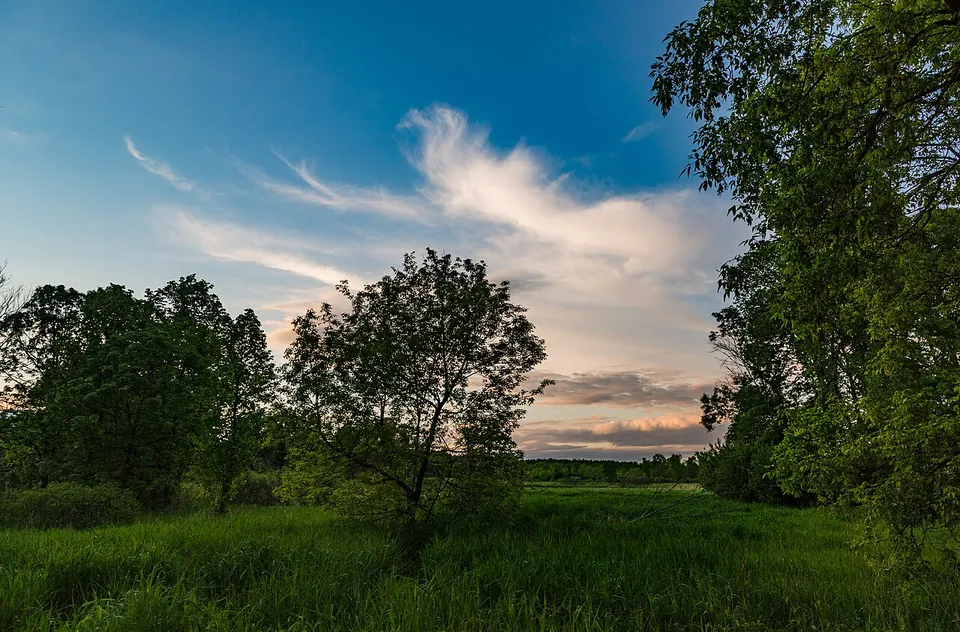
Spring (April–May) arrives fast. Snow can still fall in April, but by mid-May the woods are green and the warblers are back.
Summer (June–August) is warm and humid, with most of the year’s rain falling in thunderstorms. June is usually the wettest month.
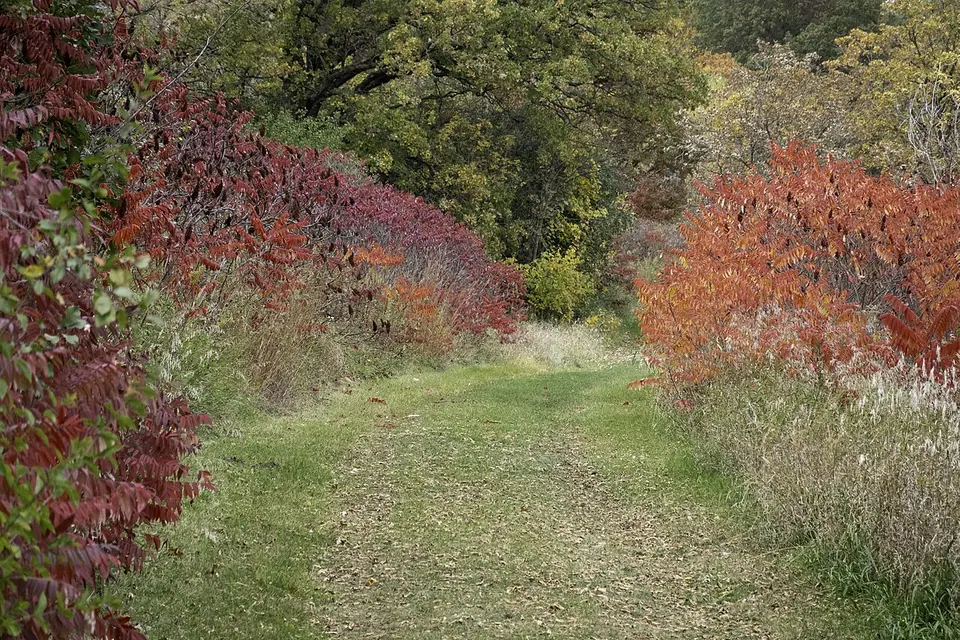
Fall (September–October) is the local favorite: dry, mild days, cool nights and peak color in early to mid October.
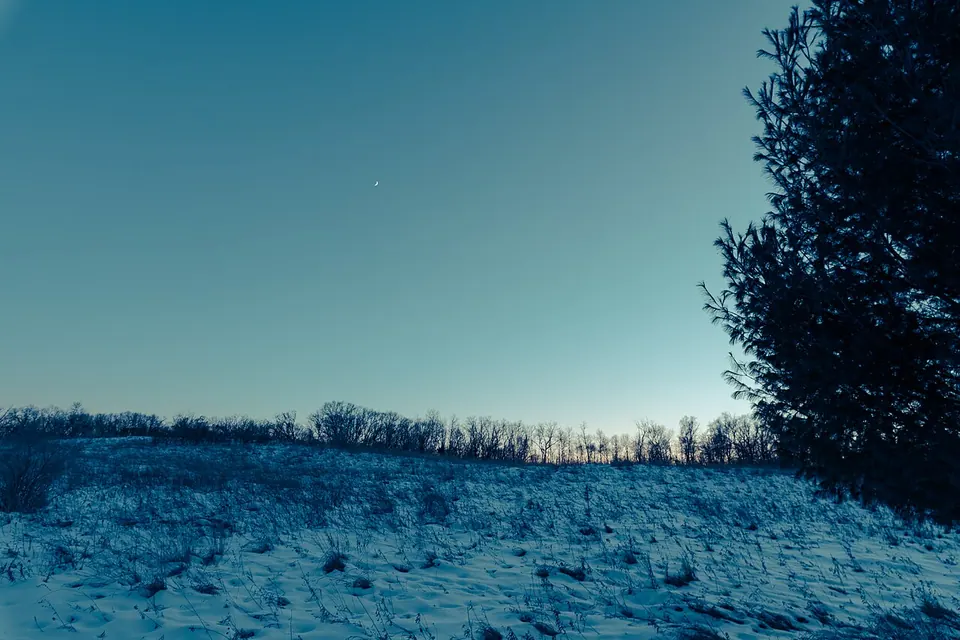
Winter (December–February) is cold and reliably white, though thaws are common. The river freezes over in most winters — stay off the ice unless conditions are confirmed safe.